Mold Inspection and Testing in Texas
Moisture mapping, sampling and a written plan before any removal.
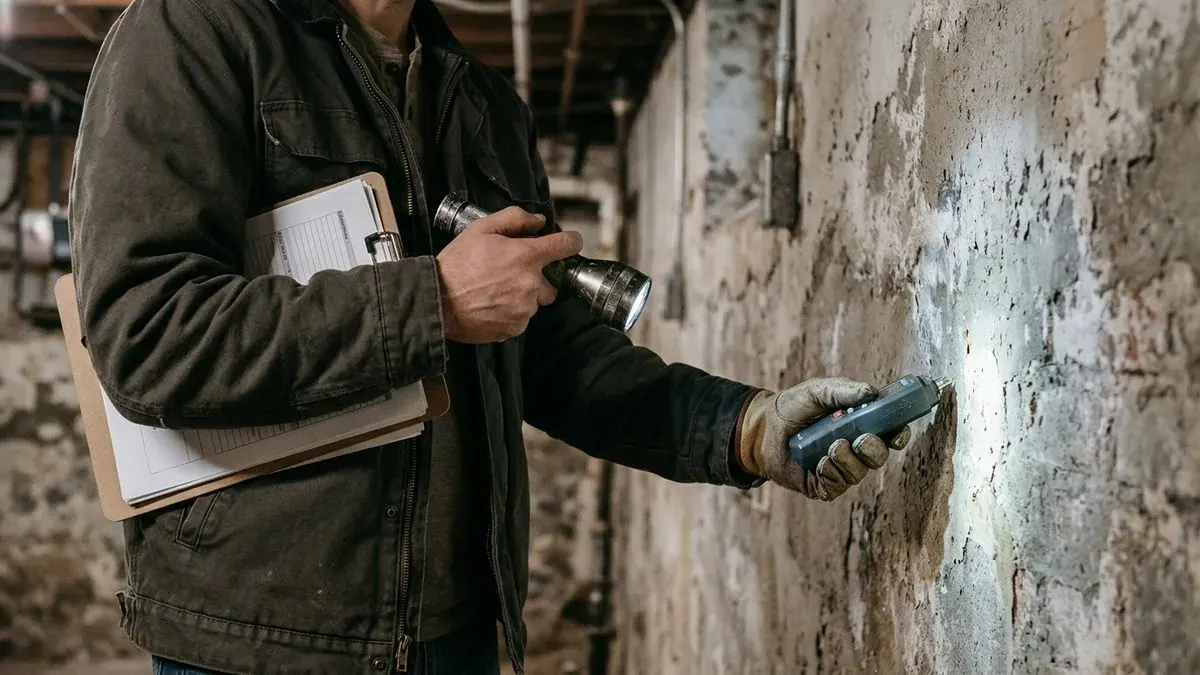
Illustration of a typical loss, not a photo of a real job.
Mold Inspection and Testing: What You Need to Know
An assessor uses a moisture meter, a thermal camera and a visual inspection to find hidden moisture. Air and surface samples can show whether spores are elevated compared to outside air, but results are a snapshot and need interpretation.
The written plan lists areas, materials, and the steps for remediation. After the work, a clearance test can confirm the area is clean. Independent assessment avoids a conflict of interest between the one who tests and the one who removes.
This page covers one part of our water damage restoration in Texas service. If you are not sure it is the right fit, the homepage explains how the whole process works from first call to final readings.
Signs You May Need This Service
- A musty smell with no visible mold
- Water stains that keep returning
- Health symptoms that improve when you leave the house
- A past leak or flood
- Buying or selling a home with water history
Mistakes That Make It Worse
- Testing without fixing the moisture source
- Relying only on a DIY test kit
- Hiring the same company to test and remove without checking the license
- Ignoring a recurring stain
What Happens, Step by Step
- Describe the history of water in the building
- Assessor inspects and measures moisture
- Samples are taken where helpful
- Lab results and a written report are provided
- Remediation plan is based on the report
- Clearance testing after cleanup
How This Varies Across Texas
Texas requires licensing for mold assessment consultants and remediators, and rules separate assessment from remediation. Ask for a license number and verify it with the state.
What Affects the Cost
Cost depends on the size of the property, the number of samples and the lab. It is usually a small part of a mold project, and it can save money by targeting work.
We do not quote prices for the independent company. Read what changes the price.
Where This Service Is Requested Most
Help is available across Texas. These city guides explain the local causes and ZIP codes:
Not on the list? See all Texas service areas or check your ZIP code.
Related Services
Mold Removal and Remediation
Containment, removal and cleanup of mold after water damage, including black mold.
Learn more →Attic and HVAC Mold Removal
Mold in attics, air handlers, ducts and the spaces around them.
Learn more →Structural Drying and Dehumidification
Air movers, dehumidifiers and moisture mapping until the building is dry.
Learn more →Mold Inspection and Testing Questions
Do I Need a Mold Test?
If you see mold or smell it, an inspection clarifies the extent. Visible mold usually does not need a test to justify cleanup.
How Long Do Results Take?
Typically a few days.
What Is Clearance Testing?
A test after remediation showing the area is back to normal levels.
Are DIY Kits Reliable?
They are limited. A professional inspection finds more.
Who does the work: Water Damage Restoration Texas is an independent connection service and is not the contractor. The independent company that arrives sets its own pricing, licenses, insurance and terms and does the work. See our referral disclosure.
Water Damage Right Now?
Call and give your ZIP code, what happened and whether water is still flowing. We connect you with an independent local company that covers your area.
Where to Verify What You Read Here
Our guides are written for Texas conditions, and they point to public sources so you can check the basics yourself. These sites are independent of us.
- U.S. Environmental Protection Agency: Mold. Federal guidance on mold, moisture and cleanup in the home.
- CDC: Cleaning Up After a Flood. Health and safety guidance for flooded homes, including contaminated water.
- IICRC. The standards body behind the S500 water damage restoration standard.