Fire, Smoke and Soot Damage Restoration in Texas
Cleanup after fire, smoke, soot and the water used to put the fire out.
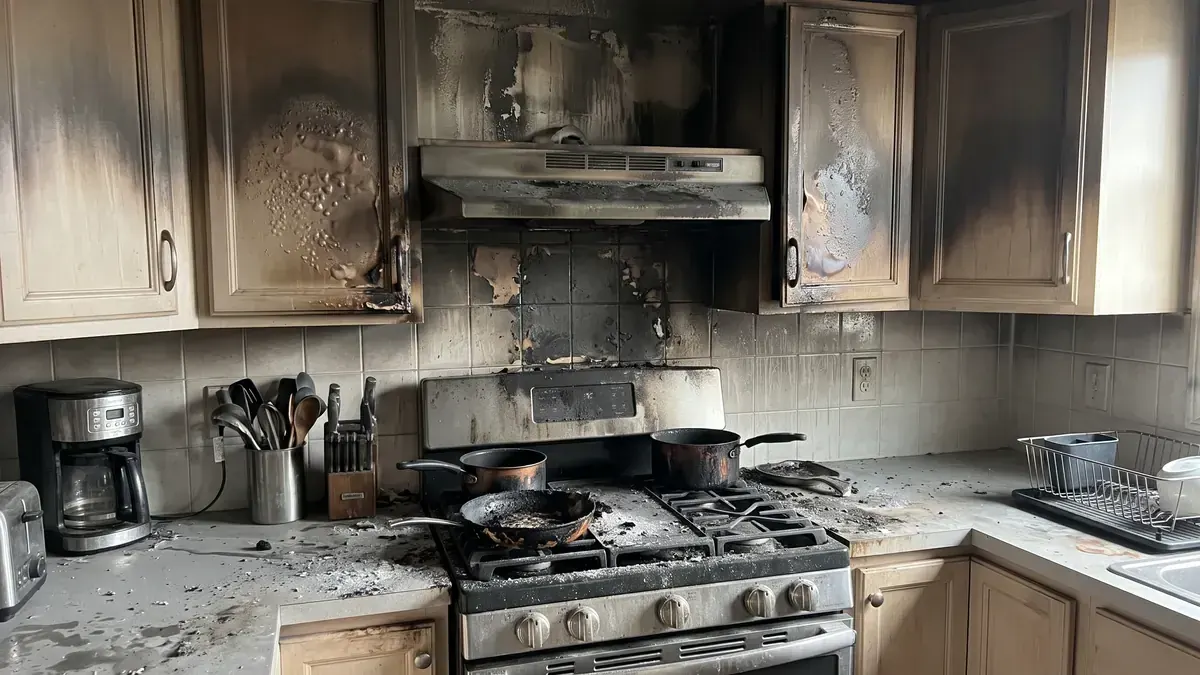
Illustration of a typical loss, not a photo of a real job.
Fire, Smoke and Soot Damage Restoration: What You Need to Know
Fire crews use large volumes of water, so many fire losses are also water losses. Wet materials and soot together create odor and corrosion problems fast. A restoration crew removes water, boards up openings, cleans soot from surfaces and removes materials that cannot be saved.
Smoke odor lives in porous materials such as drywall, insulation, carpet and upholstery. Cleaning uses vacuums, dry sponges, wet cleaning and thermal or hydroxyl deodorization, depending on the loss. Structural repairs follow after the building is clean and dry.
This page covers one part of our our Texas water damage restoration service service. If you are not sure it is the right fit, the homepage explains how the whole process works from first call to final readings.
Signs You May Need This Service
- Soot on walls and ceilings
- A strong smoke smell
- Water left behind by firefighting
- Discolored or corroded metal
- Open roof or broken windows
Mistakes That Make It Worse
- Re entering before clearance
- Wiping soot with a wet cloth
- Turning on the HVAC
- Throwing away items without photographs
What Happens, Step by Step
- Wait for fire officials to clear the building
- Secure the property and board up openings
- Remove standing water
- Remove charred and heavily damaged material
- Clean soot and smoke residues
- Deodorize and verify before rebuild
How This Varies Across Texas
Wildfire smoke affects the Panhandle and West Texas, and kitchen and electrical fires affect every region. Insurance claims for fire are often large, so keep detailed lists.
What Affects the Cost
Cost depends on the size of the fire, the amount of water used, the materials affected and the odor treatment needed.
We do not quote prices for the independent company. Read what changes the price.
Where This Service Is Requested Most
Help is available across Texas. These city guides explain the local causes and ZIP codes:
Not on the list? See all Texas service areas or check your ZIP code.
Related Services
Odor Removal and Deodorization
Removing smoke, mildew, sewage and water damage odors at the source.
Learn more →Structural Drying and Dehumidification
Air movers, dehumidifiers and moisture mapping until the building is dry.
Learn more →Commercial Water Damage Restoration
Water loss in offices, retail, restaurants, warehouses and multi story buildings.
Learn more →Fire, Smoke and Soot Damage Restoration Questions
How Long Does Smoke Odor Last?
Until the source in porous materials is removed or treated. Air fresheners only mask it.
Can Soot Be Cleaned?
Often, with the right method. Wet wiping can set it, so dry cleaning comes first.
Do I Need to Leave My Home?
Often, until it is safe. Your insurer may cover living expenses.
What About Water from the Fire Hoses?
It is part of the loss. Drying starts as soon as the building is cleared.
Who does the work: Water Damage Restoration Texas is an independent connection service and is not the contractor. The independent company that arrives sets its own pricing, licenses, insurance and terms and does the work. See our referral disclosure.
Water Damage Right Now?
Call and give your ZIP code, what happened and whether water is still flowing. We connect you with an independent local company that covers your area.
Where to Verify What You Read Here
Our guides are written for Texas conditions, and they point to public sources so you can check the basics yourself. These sites are independent of us.
- IICRC. The standards body behind the S500 water damage restoration standard.
- Texas Department of Insurance. Consumer help with homeowners claims and complaints in Texas.
- U.S. Environmental Protection Agency: Mold. Federal guidance on mold, moisture and cleanup in the home.