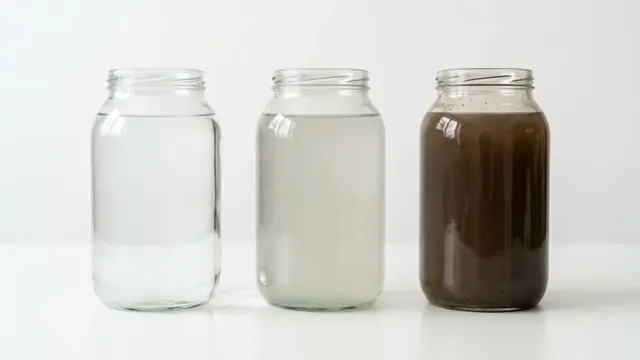
Water Categories
Category 1 is clean water from a supply line or a faucet. Category 2 is gray water from a dishwasher, washing machine or toilet overflow without feces. Category 3 is grossly contaminated water such as sewage and floodwater.
Water can change category over time as bacteria grow, which is why clean water that sits for days is treated as worse.
Water Classes
Class 1 affects a small area with little absorbent material. Class 2 affects a whole room with wet carpet and walls. Class 3 involves water from above, soaking ceilings, walls and floors. Class 4 involves deeply held moisture in dense materials such as hardwood, plaster or concrete.
Why It Matters
Category decides what must be removed and how it is cleaned. Class decides how much equipment is needed and how long drying takes. Ask the company how it classified your loss.
Examples from Texas Homes
A supply line that bursts in an attic is usually category 1 at first and class 2 or 3 depending on how many rooms get wet. A sewage backup after a heavy rain is category 3. A hurricane flood is category 3 and often class 3 or 4 where hardwood and plaster hold water. A leaking dishwasher is category 2 if it ran for a while.
Why the Classification Changes the Plan
Category sets how much comes out and how it is cleaned, so a category 3 loss means contaminated drywall and carpet are removed. Class sets how many air movers and dehumidifiers are needed and how long they stay, so a class 4 loss in solid hardwood may run for weeks.
This guide supports our statewide Texas water damage restoration service. If you need help now, call (833) 322-9204.